
Cybersecurity 101
Understand why cybersecurity matters and the critical role you play in protecting our organization from digital threats.
What You Will Learn
This training is designed for every employee at Southeastern Pneumatic. No technical background is needed. You will learn practical skills you can use immediately.
Why Cybersecurity Matters
Cyber attacks are not just a problem for large corporations. Small and mid-size businesses are increasingly targeted because attackers know they often have fewer security resources and less formal training.
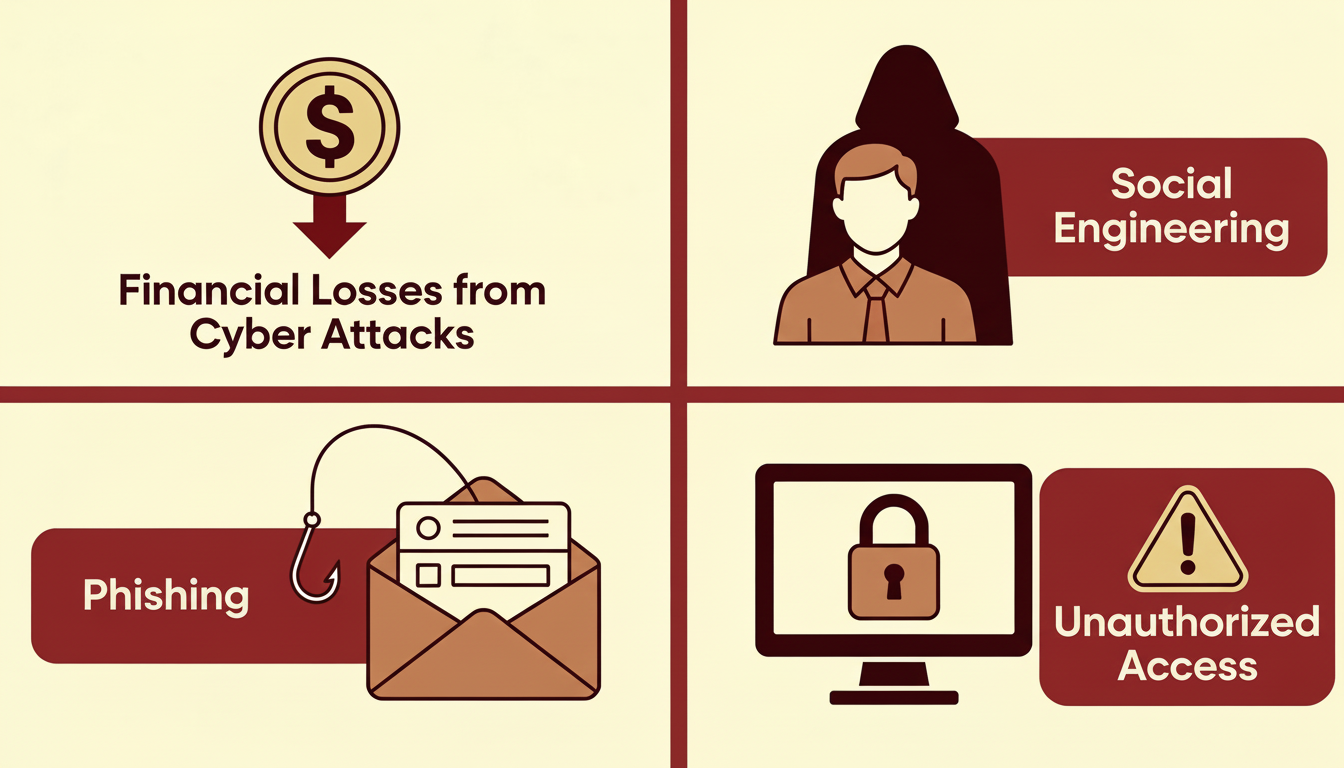
What Is at Stake
If an attacker gains access to our systems, they can reach sensitive information that affects every employee:
- Financial losses from fraudulent wire transfers, invoice manipulation, or ransomware demands.
- Your personal data including pay stubs, tax forms, Social Security numbers, and bank details in the HR system.
- Customer and partner data that our company is responsible for protecting.
You Are the Human Firewall
Our company invests in technology like firewalls, email filters, and antivirus software. These tools catch a lot of threats, but they cannot stop everything.
Attackers design their messages specifically to bypass automated defenses. When a suspicious email reaches your inbox or a strange phone call comes through, YOU are the last line of defense.
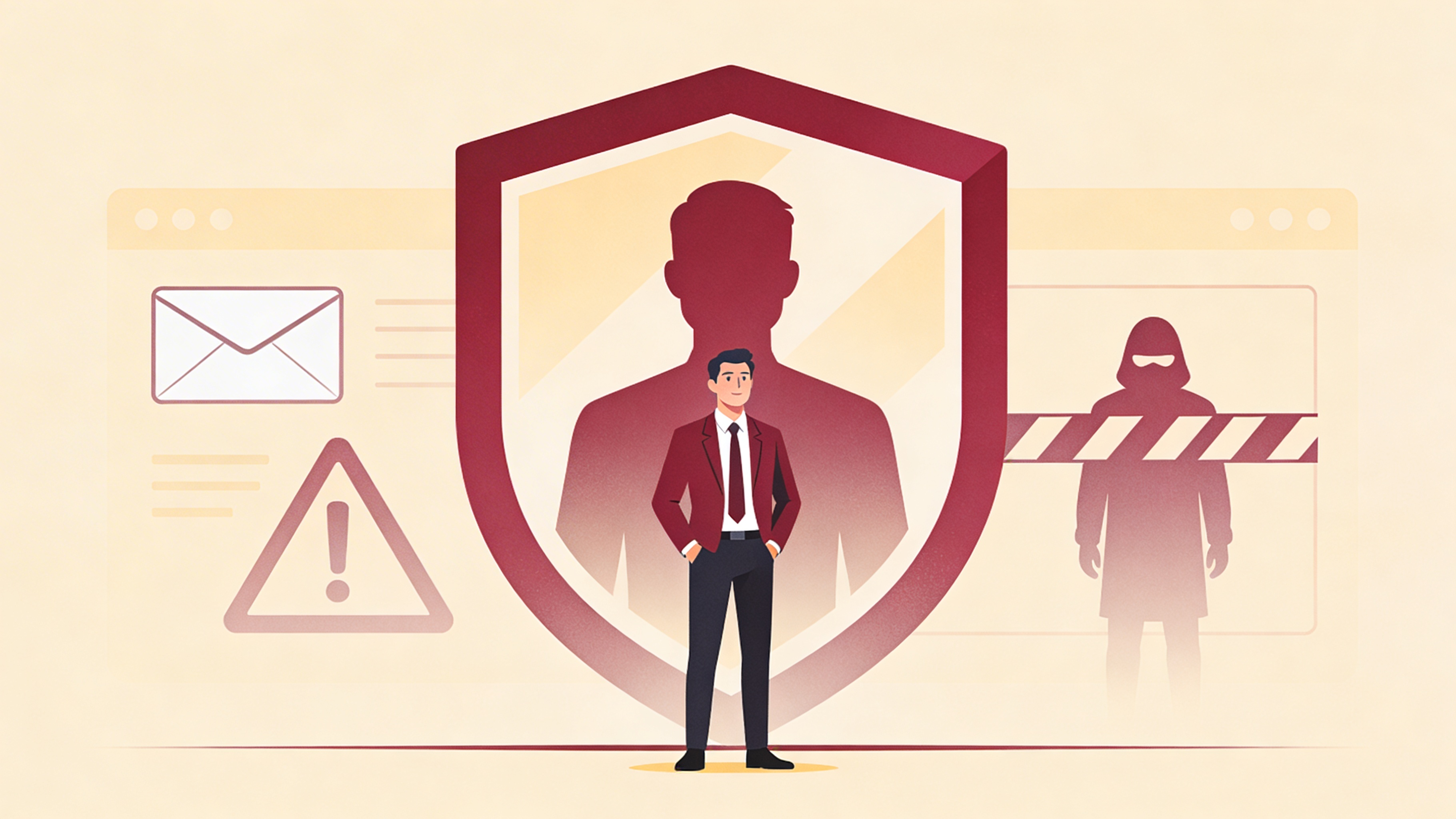
What Being a Human Firewall Looks Like
- Pause before clicking. Take a moment to evaluate any link or attachment before interacting with it.
- Question unexpected requests. Especially if they involve urgency, money, credentials, or bypassing normal procedures.
- Verify through a separate channel. If an email asks you to do something unusual, confirm by calling the person directly.
- Report anything suspicious. Even if you are not sure. It is always better to report something harmless than to ignore a real threat.
- Protect your credentials. Your password is the key to your accounts and the sensitive data behind them.